
Overlord
The story takes place in the year 2138 when virtual reality gaming is booming. Yggdrasil, a popular online game is quietly shut down one day. However, the protagonist Momonga decides to not log out. Momonga is then transformed into the image of a skeleton as "the most powerful wizard." The world continues to change, with non-player characters (NPCs) beginning to feel emotion. Having no parents, friends, or place in society, this ordinary young man Momonga then strives to take over the new world the game has become.
(Source: Anime News Network)
📺Anime Details
📝Editorial Analysis
The silence after the logout screen fails to appear. Momonga sits—still, alone, unblinking—in the dim, echoing vault of the Great Tomb of Nazarick, his skeletal fingers resting on the armrests of a throne no one else has ever touched. Outside, the world is breathing for the first time: NPCs whispering in hushed awe, not code, but wonder. Inside, the air hums with the weight of absence—not just of friends, but of exit. No respawn. No patch notes. No dev team to explain why the game didn’t end when it was supposed to. Just him, his guild’s legacy carved into obsidian walls, and the slow, chilling realization that he isn’t playing anymore—he’s staying.
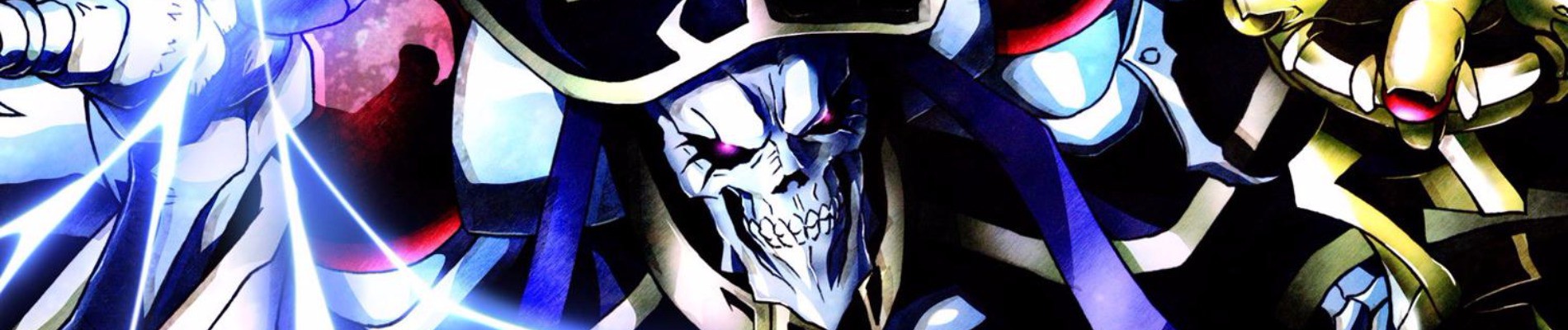
That silence isn’t emptiness. It’s gravitas. Overlord doesn’t trade in heroic urgency or redemptive arcs—it trades in consequence, in the quiet dread and strange dignity of absolute power without moral scaffolding. It makes you feel the heaviness of sovereignty: every decree ripples across kingdoms, every glance from Momonga’s hollow sockets carries the weight of a god who remembers being human—and chooses not to pretend otherwise. This isn’t dark fantasy as spectacle; it’s dark fantasy as architecture: meticulously built systems—magic, hierarchy, loyalty, decay—where emotion leaks in like water through cracked stone, unbidden and irreversible. You don’t root for Momonga. You watch him endure his own immortality, and in doing so, you confront what happens when competence outlives conscience.
That same atmosphere lives in Disciples III: Reincarnation, not in its gameplay—its save system famously collapses on modern Windows—but in its narrative DNA: a world where fallen empires reconstitute themselves not through hope, but through grim, procedural resurrection. Its description calls it a “revamped and enhanced version” layered with “all new features,” echoing how Overlord’s world evolves despite its origin—as if history itself is being patched mid-run. A player review laments that the game “will not save” because “the file path it looks for no longer exists”—a perfect, accidental metaphor: the old structures fail, but the world persists anyway, stubborn and misaligned, just like Nazarick’s NPCs rewriting their purpose without permission.
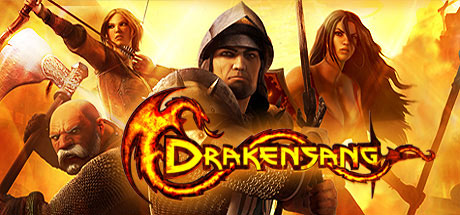
Then there’s Drakensang, grounded in The Dark Eye, Germany’s most successful pen-and-paper RPG system—a world built on decades of lore, not lore-as-backstory, but lore-as-gravity. Its description notes it’s “the first PC game for over 10 years” based on that system, underscoring deep continuity, inherited weight, and slow-burn consequence. A player recalls “good memories” and laments there “ain’t more DSA games like this”—that wistfulness mirrors Momonga’s own nostalgia, not for childhood, but for a dead guild, a vanished world, a shared language now spoken only by ghosts and loyalists. Both demand you sit inside a system long enough to feel its gears turn—not just fight within it, but govern its friction.
Even Disciples II: Rise of the Elves, with its lower score, pulses with the same emotional core: “incredible art and fantasy,” yes—but the player review zeroes in on “level ups into more badass units.” That escalation isn’t just power fantasy—it’s institutional evolution. Each promotion reshapes identity, allegiance, even species logic—like Albedo’s devotion hardening into doctrine, or Shalltear’s chaos calcifying into ritual. The Elves didn’t arrive as saviors; they arrived as reconfiguration, adding “a new dimension to the game and added complexity.” So does every NPC who wakes up crying, or bows deeper than protocol requires, or questions why they serve at all.
This pairing isn’t for fans of triumphant underdogs or chosen ones. It’s for the quiet observer who watches a cutscene and feels the temperature drop when a character stops speaking in exposition and starts speaking in policy. It’s for the player who reloads not to win, but to see how the world bends differently under the same decision—how loyalty fractures, how magic becomes bureaucracy, how a skeleton’s stillness becomes the axis of an entire continent’s rotation. It’s for people who love the weight of legacy—not as inspiration, but as architecture, as burden, as the slow, inevitable gravity pulling everything toward meaning—even if that meaning wears bone and crown, and never blinks.
🎮7 Games That Match the Vibe
Match Dimensions Explained
❓Frequently Asked Questions
Why is Disciples II: Rise of the Elves often recommended for Overlord fans?
Because both games let you command squads of morally ambiguous, customizable units—like Overlord’s minions—with tactical battlefield control and dark fantasy flavor. Disciples II’s elf faction even has that same 'corruptly charismatic leader' energy, especially when you level up units into elite forms like the Shadow Archers or Death Knights.
Is there a Drakensang TV show or movie adaptation?
Nope—no official adaptations exist. Drakensang stays firmly rooted in its pen-and-paper origins (The Dark Eye RPG), and while fans have begged for years—like that player who said 'IMO it's a pity that there ain't more DSA games like this'—it’s still just the one beloved PC game, no streaming spin-offs.
Disciples III vs Drakensang: which feels more like Overlord’s tone and humor?
Drakensang wins on tone—it’s got that grounded, slightly grimy, character-driven dark fantasy vibe (think Overlord’s sarcastic narrator and morally grey quests), whereas Disciples III leans heavier into mechanical complexity and suffers from broken saves on modern Windows. Plus, Drakensang’s party banter and world-building echo Overlord’s blend of gravitas and dry wit.
What’s the best game like Overlord if I want that ‘dark but playful’ vibe with squad-based tactics?
Disciples II: Rise of the Elves—it nails the playful darkness with its over-the-top unit evolutions (turning basic archers into flaming, skull-wreathed elites) and cheeky faction lore, all wrapped in turn-based tactical combat where positioning and minion types matter as much as in Overlord’s tower defense–style skirmishes.