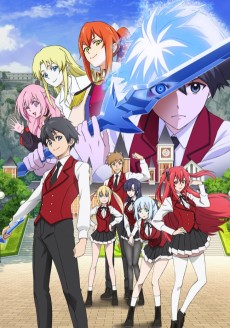
The Iceblade Sorcerer Shall Rule the World
📺Anime Details
📝Editorial Analysis
The first time he draws the blade—cold, silent, absolute—the air doesn’t just chill. It still. Not a pause, not a breath held—but the kind of hush that follows a snapped spine: clean, irreversible, and deeply personal. No fanfare, no chant, no glowing runes blooming like fireworks. Just frost spreading up steel, veins of ice threading through the air like frozen lightning, and the soft, final shink as a sword sheath seals shut—not because the fight’s over, but because he has decided it is.
That’s the core vibration of The Iceblade Sorcerer Shall Rule the World: not spectacle for its own sake, but control as philosophy. Not power as liberation, but as discipline so total it borders on austerity. The school isn’t just backdrop—it’s a pressure chamber where class lines are drawn in chalk and redrawn in blood; where maids move with the precision of trained operatives; where swordplay isn’t choreography but language, spoken in parries and footwork, every stance calibrated to suppress or escalate. You don’t feel excited watching it—you feel attuned. Like your pulse syncs to the rhythm of a blade being polished, or your breath catches when someone chooses silence over retort. It’s dignified, yes—but also tense, unforgiving, and quietly bisexual in how desire moves without fanfare: a glance held too long across a training yard, a hand brushing a shoulder during sparring, no labels needed—just presence, acknowledged.
STAR WARS™ Jedi Knight - Jedi Academy™ hits that same nerve—not with lightsabers as toys, but as extensions of will. Its description says you “forge your weapon and follow the path of the Jedi,” and the player review confirms it: you’re a Padawan “thrust into a Galaxy-spanning adventure” not to save the world, but to define yourself within systems that demand obedience and reward restraint. That’s the anime’s heartbeat: the weight of lineage, the quiet burden of mastery, the way authority isn’t seized—it’s assumed, then tested, then earned again, every day. Both make you feel the gravity of choice—not “light side or dark side,” but “hold back or cut deep,” “serve the institution or reshape it from within.”
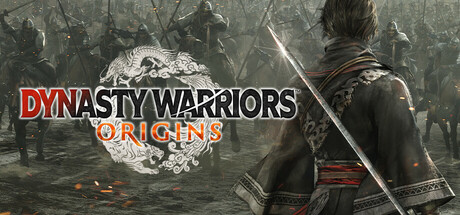
DYNASTY WARRIORS: ORIGINS shares that same emotional narrative anchored in tactical warfare—not just armies clashing, but individuals making split-second decisions where loyalty, exhaustion, and honor collide mid-swing. Its inclusion (score: 72, dims: Action Spectacle, Tactical Warfare, Emotional Narrative) mirrors the anime’s war sequences: no faceless hordes, but named officers whose strategies unfold like chess games played with ice and iron. You see the cost in posture—the slump of a commander’s shoulders before giving an order, the way a maid adjusts her gloves before stepping into a skirmish. It’s not about winning. It’s about who you become while holding the line.
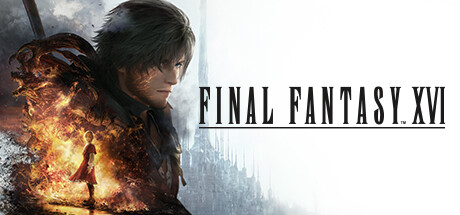
And FINAL FANTASY XVI, with its 71 score and emphasis on Action Spectacle and Emotional Narrative, lands even closer—not in tone, but in texture. Its world bleeds consequence: magic isn’t wonder, it’s trauma made manifest; power isn’t gifted, it’s inherited like a scar. That resonates with how The Iceblade Sorcerer Shall Rule the World treats sorcery—not as flashy incantation, but as bodily discipline, as inheritance that reshapes bone and breath. Both understand that grief can be channeled into a perfect lunge, that rage can crystallize into something sharp enough to cut wind.
This pairing isn’t for fans of “power-ups” or “harem hijinks” as punchline. It’s for the viewer who watches a character stretch before dawn—not for fitness, but because stillness must be earned, who feels the weight of a uniform not as costume but as covenant, who reads a maid’s bow not as subservience but as calculated alignment. It’s for players who replay a battle in Kingdom Come: Deliverance II not to win faster, but to understand why the enemy lowered his shield a half-second too soon—or who sit through The Last of Us™ Part II Remastered’s quietest moments, feeling the ache of a hand resting on a rifle stock, knowing that tactical warfare and emotional narrative aren’t dimensions—they’re the same muscle, flexing under pressure. These works speak to people who know: the most devastating strikes aren’t loud. They’re measured. And the deepest loyalties aren’t declared—they’re maintained, day after disciplined day.
🎮11 Games That Match the Vibe

Match Dimensions Explained
❓Frequently Asked Questions
Why does The Iceblade Sorcerer feel so similar to FINAL FANTASY XVI?
Because both lean hard into high-stakes Emotional Narrative and over-the-top Action Spectacle—like Clive’s rage-fueled Eikon battles mirroring the Iceblade Sorcerer’s frost-wreathed duels against corrupted nobles. FFVI’s magic-infused combat pacing and tragic, morally gray character arcs (think Jill vs. Dion) hit the same emotional beats as the anime’s core conflict.
Is there a live-action adaptation of The Iceblade Sorcerer like The Last of Us?
No—not yet. Unlike The Last of Us™ Part II Remastered, which had a massively successful HBO adaptation driving renewed interest, The Iceblade Sorcerer remains anime-only. That said, fans drawn to TLOU2’s raw, Tactical Warfare-driven stealth sequences and quiet, heavy Emotional Narrative (e.g., Abby’s hospital fight or Ellie’s guitar scene) often find that same weight in Kingdom Come: Deliverance II’s grounded combat and moral consequences.
How does DYNASTY WARRIORS: ORIGINS compare to STAR WARS™ Jedi Knight - Jedi Academy™ for sorcerer-style action?
Both deliver massive Action Spectacle and Tactical Warfare—but Origins leans into historical fantasy with Wu Zhao’s political scheming and battlefield command layers, while Jedi Academy lets you *build your own lightsaber* and swing it through cinematic Force-powered combos (like Jaden Korr’s dual-saber finishers). If you love the Iceblade Sorcerer’s blend of personal power and large-scale war, Origins’ ‘Dynasty Mode’ and Jedi Academy’s lightsaber customization hit different but complementary notes.
What’s the best game like The Iceblade Sorcerer if I want brooding atmosphere and slow-burn tension?
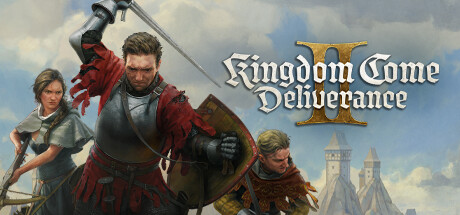
Kingdom Come: Deliverance II is your pick—it nails the brooding, immersive vibe with its Tactical Warfare focus (think tense, stamina-based sword duels in rain-soaked Bohemian forests) and layered Emotional Narrative (Henry’s quiet grief and honor code mirror the Iceblade Sorcerer’s isolation and duty). No flashy magic, but the weight of every choice—and scenes like the burning mill confrontation—land with the same emotional gravity as the anime’s quieter, colder moments.