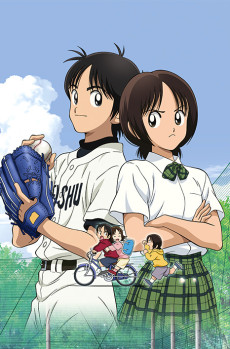
Cross Game
The main character is Kou Kitamura, son of the owner of Kitamura Sports. In the same neighborhood is a batting center run by the Tsukishima family. Due to their proximity and the relationship between their businesses, the Kitamura and Tsukishima familes have been close for many years, with their children going back and forth between the two homes like extended family. Because Kou and Wakaba were the same age and always together, Aoba was jealous of all the time Kou spent with her older sister. Aoba is a natural pitcher with excellent form, and Kou secretly trains to become as good as she was, even while publicly showing little interest in baseball.
📺Anime Details
📝Editorial Analysis
The smell of rain on hot asphalt, the thwack of a baseball hitting leather at twilight, and Kou Kitamura standing alone on the pitcher’s mound—just breathing—not throwing, not moving, just holding the ball like it’s the only thing anchoring him to the ground. That silence after Wakaba’s absence settles in, thick and unspoken, while Aoba watches from the dugout, her knuckles white on the railing, her voice swallowed by the wind rustling through the cherry blossoms that never quite bloom in time.

That’s the feeling: quiet devotion. Not grand declarations or dramatic confrontations, but the weight of years lived side-by-side, of promises made in childhood and carried forward without fanfare. Cross Game doesn’t trade in spectacle—it trades in presence. In the way Kou keeps Wakaba’s glove on his shelf, untouched but polished. In how Aoba’s tsundere sharpness softens only when she’s winding tape around Kou’s blistered fingers after practice. This is a world where emotion lives in the space between words—in the shared glance across a batting cage, in the rhythm of a double play rehearsed a thousand times, in the slow, stubborn growth of grief into something tender and enduring. It makes you think about time not as a line, but as a field—vast, sun-drenched, full of echoes.
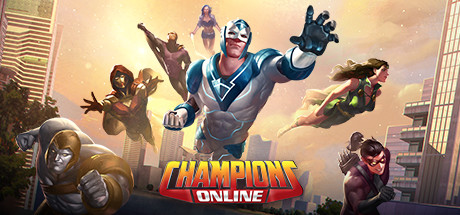
The emotional DNA here isn’t about genre—it’s about continuity, about carrying love forward without erasing loss. And that’s why Champions Online, with its “Emotional Narrative” dimension and emphasis on Competitive Spirit, resonates so deeply. Its description invites players to “design your hero and costume from thousands of costume pieces”—a meticulous, loving act of preservation and identity-building, much like Kou shaping his future around Wakaba’s dream and Aoba’s reality. The player review praises “the best case of character customization”—not as vanity, but as devotion made visible. You don’t just build a hero; you build a legacy, stitch by stitch, power by power—just as Kou builds a team, a promise, a life, one careful, deliberate choice at a time.
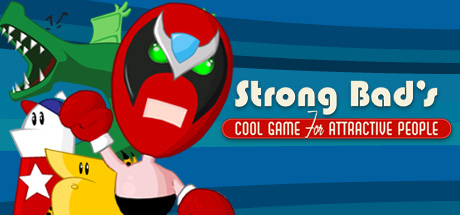
Then there’s Strong Bad's Cool Game for Attractive People: Season 1, scoring high on the same two dimensions—“Competitive Spirit” and “Emotional Narrative”—despite its cartoonish chaos. Its description calls it “Strong Bad's wacky comedic adventures over 5 full episodes!”—and yes, it’s absurd, self-aware, bursting with jokes—but the player review reveals its quiet heart: “With the recent remake of Poker Night, I hope Skunkape considers bringing this game back next….” That longing isn’t for nostalgia alone. It’s for continuity of feeling—for the return of something that held warmth, humor, and intimacy in equal measure. Like Cross Game, it wraps deep emotional undercurrents in levity: Aoba’s bluster, Kou’s stoicism, the Tsukishima sisters’ easy teasing—all surface comedy masking real vulnerability. The review’s wistful hope mirrors how fans hold onto Cross Game’s gentle persistence long after the final pitch.
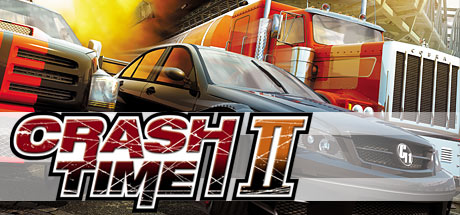
Even Crash Time 2, with its jarring disconnect—“awful controls,” “janky physics,” “no basic support for gamepad”—somehow fits. Its description positions it as an open-world arcade racing game where you “play as an Autobahn police officer, engaging in high-speed chases, escort missions, and criminal investigations.” That tension—between structure and chaos, duty and disarray—is echoed in Cross Game’s own narrative friction: the rigid rules of baseball vs. the messy unpredictability of growing up; Kou’s disciplined training vs. the sudden, violent rupture of tragedy. The player review’s blunt disappointment—“ngl, boys, this one aint it”—feels startlingly human, like Aoba snapping, “You don’t get it!” before turning away. It’s not polish that bonds them—it’s honest imperfection, the kind that makes both the anime and the game feel lived-in, flawed, and therefore real.
This pairing is for the person who cries during a routine infield drill. Who saves voicemails they’ll never replay. Who names their first Pokémon team after childhood friends and still checks the weather in their hometown every morning. For the one who knows love isn’t always loud—it’s the glove kept ready, the cape designed with care, the joke told just to hear someone laugh again, the siren wailing in the distance while you keep driving, steady, toward something you can’t yet name but are certain is worth reaching.
🎮6 Games That Match the Vibe
Match Dimensions Explained
❓Frequently Asked Questions
Why does Cross Game remind me so much of Champions Online?
Because both lean hard into that 'emotional narrative meets competitive spirit' combo — like when Kou's quiet determination mirrors how you build your own hero in Champions Online, then step up to face Dr. Destroyer in Millennium City’s rain-slicked alleys. Players love how Champions Online lets you express loyalty and growth through costume choices and team-up mechanics, just like Cross Game’s slow-burn character arcs and pivotal baseball moments.
Is there an anime or manga adaptation of Strong Bad's Cool Game for Attractive People?
Nope — it’s strictly a Telltale point-and-click adventure based on Homestar Runner, with zero official anime or manga spin-offs. That said, its quirky emotional beats (like Strong Bad awkwardly trying to impress people across all 5 episodes) hit a similar heartfelt-absurd note as Cross Game’s quieter, character-driven scenes — just swap baseball gloves for wrestling masks and pixelated email interfaces.
How is Crash Time 2 different from Cross Game in terms of storytelling?
Cross Game builds emotional weight through years of shared glances, missed chances, and that iconic rooftop confession — while Crash Time 2 ditches narrative depth entirely: you’re an Autobahn cop chasing criminals with janky physics and zero character development. One player even called it 'factually BAD controls' — no meaningful relationships, no lingering silences, just speed, sirens, and structural emptiness.
What’s the best game like Cross Game if I want something nostalgic but emotionally warm?
Champions Online — seriously. Not because it’s about superheroes, but because of how deeply personal its emotional narrative feels: designing your hero’s look down to the last cape fold, then teaming up with friends to take down Dr. Destroyer while bantering over voice chat? That same cozy, earnest, long-term investment vibe hits just like watching Kou and Aoba grow up together, inning by quiet inning.