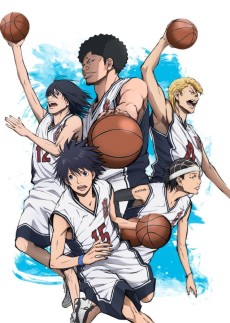
Ahiru no Sora
He may be short in stature, but Sora Kurumatani can soar and score on the basketball court! With a passion for the sport he inherited from his mother, Sora vows to her that he’ll take top prize at a high school basketball tournament… but there’s one problem. His new school’s basketball club has turned into a hangout for delinquents! Will Sora’s sheer tenacity and amazing three-point shooting change their minds and get the club up and running again?
(Source: Sentai Filmworks)
📺Anime Details
📝Editorial Analysis
The squeak of sneakers on a dusty gym floor. A basketball thudding once—twice—against cracked concrete, then rolling slowly beneath a broken bleacher. Sora Kurumatani crouches, small frame taut, fingers splayed wide around the ball like it’s the only thing holding him upright. His breath is loud in the silence. Not dramatic silence—real silence: no crowd, no coach, no teammates watching. Just him, the hoop rusted at the rim, and the weight of a promise whispered to his mother’s photo. That’s where Ahiru no Sora lives—not in victory laps or buzzer-beaters, but in the grind before the first whistle, in the quiet dignity of showing up when no one expects you to.
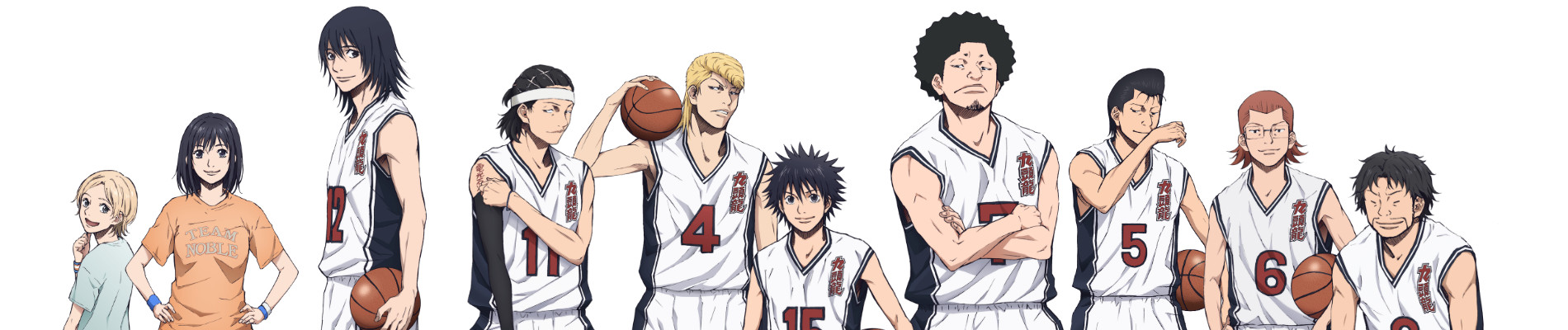
What makes this anime vibrate isn’t its basketball mechanics or delinquent tropes—it’s the tenderness of stubbornness. It’s how Sora’s height isn’t framed as a joke or a gimmick, but as a physical echo of everything he’s had to overcome: grief, isolation, institutional neglect. The club isn’t “fixed” by charisma or a montage—it’s rebuilt brick by brick through shared exhaustion, bruised knuckles, and the slow, unglamorous thaw of trust among boys who’ve been told they’re disposable. You don’t feel pumped up watching it—you feel seen, like your own quiet persistence matters even when no scoreboard lights up for you. There’s warmth, yes—but it’s the kind that comes from shared sweat, not applause. It’s resilience without fanfare, ambition without arrogance, and hope that doesn’t shout—it waits, patiently, under fluorescent lights flickering over scuffed wood.
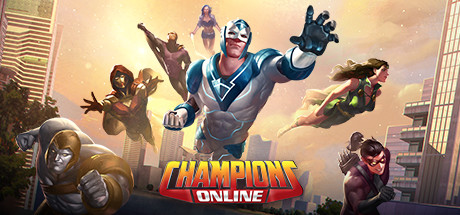
That same emotional DNA hums in Champions Online, not because it’s about sports, but because it honors self-determined meaning. Its description invites you to “design your hero and costume from thousands of costume pieces”—a radical act of agency in a world that often assigns roles before you speak. Like Sora choosing his jersey number not for stats but for memory, players in Champions Online aren’t handed archetypes—they assemble identity, piece by deliberate piece. A player review calls its customization “the best case,” and that precision mirrors how Ahiru no Sora treats growth: not as sudden transformation, but as intentional, iterative reassembly—of self, of team, of purpose. The competitive spirit here isn’t about topping leaderboards—it’s about showing up as who you decide to be, even when the city you’re defending feels indifferent.
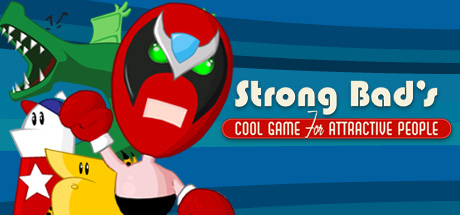
Then there’s Strong Bad's Cool Game for Attractive People: Season 1, whose description promises “wacky comedic adventures over 5 full episodes!”—but the real resonance hides in the player review’s wistful plea: “With the recent remake of Poker Night, I hope Skunkape considers bringing this game back next…” That longing—for something scrappy, emotionally sincere, and quietly irreplaceable—is pure Ahiru no Sora. Both exist outside polished mainstream logic. They’re handmade-feeling. They lean into awkwardness, repetition, and heart-on-sleeve sincerity without apology. Sora’s three-point shot isn’t flashy—it’s repetitive, ritualistic, almost devotional. So is Strong Bad’s fourth-wall-breaking monologue before a minigame: silly on surface, deeply personal underneath. The emotional narrative isn’t in cutscenes—it’s in the rhythm of return, in choosing to engage again, even when the odds (and the physics engine) seem stacked against you.
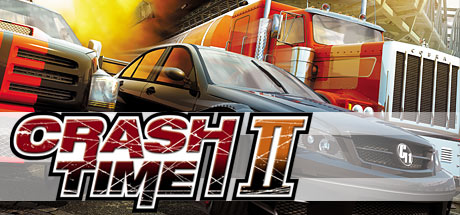
And yes—even Crash Time 2, with its janky controls and “awful” physics, carries an accidental kinship. The player review doesn’t just complain—it testifies: “ngl, boys, this one aint it. Awful controls, almost no structure, janky physics and factually BAD controls…” That raw, unfiltered honesty? That’s the voice of someone who showed up anyway, who tried to steer through chaos because the mission—chase, protect, persist—mattered more than smooth execution. Sora doesn’t wait for perfect conditions. He shoots mid-air on a warped court. He drills alone after practice ends. He believes in the act, not the polish. Crash Time 2’s flaws aren’t barriers—they’re proof of effort in motion, of competitive spirit surviving despite friction.
This pairing sings loudest for the viewer who cries during warm-ups, who saves game files named “try_again_07”, who keeps a worn notebook full of half-formed ideas and unfinished sketches—not because they expect applause, but because the doing itself feels like breathing. For the teen who sits in the back row sketching plays instead of scrolling, for the adult who still practices guitar chords in the dark, for anyone who’s ever loved something fiercely while knowing, deep down, that the real win isn’t the trophy—it’s the refusal to let the ball stop rolling.
🎮6 Games That Match the Vibe
Match Dimensions Explained
❓Frequently Asked Questions
Why does the final basketball match in Ahiru no Sora feel so intense compared to other sports games?
Because it leans hard into emotional stakes and character-driven tension—not just flashy mechanics. Games like Champions Online nail that same vibe: think of your custom hero facing Dr. Destroyer in Millennium City, where every combo and power choice feels personal and weighty, just like Sora’s last-second shot with his teammates’ trust literally on the line. The emotional narrative dimension (scored 82!) means cutscenes and dialogue choices deepen investment, not just stats.
Is there an official Ahiru no Sora video game adaptation?
Nope—there isn’t one, and that’s why fans lean into titles that *capture its spirit* instead. Champions Online is the closest fit: it’s got that high-stakes team energy (like Koshigaya’s underdog squad), deep customization for expressing individuality (just like Sora designing his own playstyle), and a strong emotional narrative arc across missions—plus it actually scores 82 in both Competitive Spirit and Emotional Narrative, the two core dimensions Ahiru no Sora lives by.
How does Champions Online compare to Crash Time 2 for someone who loves Ahiru no Sora’s teamwork and growth themes?
Don’t bother with Crash Time 2—it’s all about janky police chases and awful controls (players call it ‘factually BAD’), zero emotional resonance or team dynamics. Champions Online, though? It’s built for exactly what you want: co-op hero squads, meaningful progression (level up your powers like Sora hones his jump shot), and story moments where your choices affect how allies like Liberty or The Founder react—just like Coach’s tough-love mentorship shaping the team.
What’s the best game like Ahiru no Sora if I’m craving that uplifting, underdog-team-with-heart vibe right now?
Champions Online—hands down. It’s not about realism or simulation; it’s about showing up as your most authentic self (thousands of costume pieces, full hero design), fighting alongside friends in dynamic battles, and feeling that slow-burn payoff when your scrappy team finally takes down Dr. Destroyer after weeks of grinding. The player review even calls its customization ‘the best case of character customization…’—which mirrors how Ahiru no Sora makes every pass, every rebound, feel like a personal triumph.