Magical Shopping Arcade Abenobashi
📺Anime Details
📝Editorial Analysis
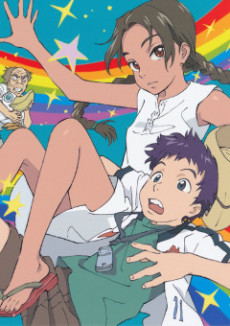
The air in Abenobashi Market smells like warm mochi, fried squid, and something faintly electric—like the static before a thunderstorm that never breaks. You’re standing beside Sasshi as he trips over a loose floor tile outside the ramen shop, his backpack spilling manga and half-eaten melon soda, while Ruby floats three feet off the ground, barefoot, grinning, her skirt fluttering just enough to make him sputter—not from embarrassment, but from the sheer wrongness of physics bending around her like taffy. That’s it: not magic as spectacle, but magic as glitch—a hiccup in reality so casual it feels like breathing.
What makes Magical Shopping Arcade Abenobashi vibrate at this particular frequency isn’t its isekai jumps or ecchi gags—it’s how relentlessly domestic its surrealism is. Every alternate world—samurai Edo, cyberpunk Osaka, fairy-tale forest—doesn’t replace Abenobashi; it leaks into it. The fantasy isn’t escape. It’s the hum beneath the fluorescent lights of the convenience store, the way Ruby’s magic flickers like a dying bulb when she’s tired, the way Sasshi’s anxiety about his grandmother’s failing health shows up as literal cracks in the pavement that only he can see widen. It’s tender, even when it’s slapping you with absurdity. You don’t laugh at the characters—you laugh with them, breathless, because their panic, their longing, their small, stubborn love for this crumbling, neon-drenched block feels realer than any high-stakes prophecy.
That emotional DNA—the collision of razor-sharp parody with quiet, unguarded vulnerability—is why Undertale lands with such precise resonance. Its score matches on Comedy & Parody and Emotional Narrative, and that’s no accident: both works weaponize genre conventions to expose tenderness. When Sans drops his lazy smirk mid-battle and delivers that devastating “you guys are all kind of wonderful,” it hits like Sasshi finally admitting, voice cracking, that he’s terrified of losing Abenobashi—not to magic, but to time, to redevelopment, to adulthood. The humor isn’t decoration. It’s armor. And when it falls off? What’s left is aching, specific, human.
Same goes for Song of Nunu: A League of Legends Story, which shares that exact 62-score alignment on Comedy & Parody and Emotional Narrative. Its description frames it as a story—but the player’s experience, like Sasshi’s, is one of walking alongside someone raw and earnest (Nunu) through landscapes that shift with emotional weight, not plot logic. The snow doesn’t just look cold; it feels like grief made visible, just as Abenobashi’s alleyways feel like memory made brick and asphalt. Both reject grandiosity. They find myth in the small: a shared snack, a worn-out shoe, a promise whispered into winter air.
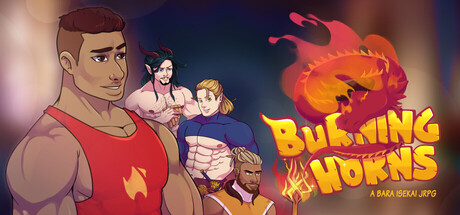
And then there’s Burning Horns: A Bara Isekai JRPG, another 62-match on those same dimensions. Its title alone signals a commitment to parody—but the real link is tonal courage. Like Magical Shopping Arcade Abenobashi, it uses outrageous premises (bara-coded isekai tropes, exaggerated bodies, deliberate camp) not to deflect feeling, but to amplify it. The ecchi elements aren’t titillation—they’re part of the same linguistic playfulness as Ruby’s floating or Sasshi’s fourth-wall stutters. Both treat desire, confusion, and affection as messy, funny, physical forces—something you trip over, something that makes your face hot, something that changes the shape of the sidewalk.
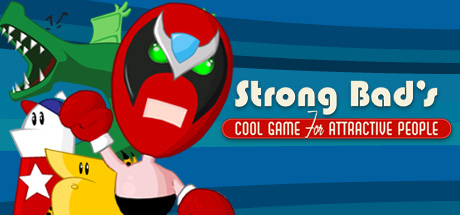
Even Strong Bad's Cool Game for Attractive People: Season 1, with its 56-score match on Comedy & Parody and Emotional Narrative, fits—not because it’s magical, but because of its texture. That player review longing for its return “with the recent remake of Poker Night” nails it: it’s nostalgia for something intimate, handmade, slightly broken. The game’s five episodes unfold like inside jokes passed between friends who know each other’s scars. Sasshi and Ruby’s bickering, their shared silences outside the pachinko parlor, the way the market’s decay feels personal—that’s the same warmth. Not polished. Not safe. Alive in its imperfections.
This pairing is for the person who cries during a slapstick chase scene. For the one who re-watches the moment Sasshi holds Ruby’s hand—not for romance, but because the world’s fraying and holding on is the only spell that matters. For the player who saves before every dialogue choice in Undertale, not out of fear of failure, but reverence for how much each word costs. They’re the ones who recognize magic not as power, but as attention: the kind that notices how light catches dust motes above Abenobashi’s roofline—and how, for just one second, that light feels like hope.
🎮4 Games That Match the Vibe

Match Dimensions Explained
❓Frequently Asked Questions
Why is Undertale listed as similar to Magical Shopping Arcade Abenobashi?
Because both lean hard into absurdist, fourth-wall-breaking comedy—like when Sans cracks jokes while dodging your attacks in Undertale’s Snowdin, or when Sasshi and Arumi get trapped in a parody of '90s anime tropes inside a convenience store in Abenobashi. They share that rare blend of heartfelt emotional beats (Undertale’s Genocide Route guilt, Abenobashi’s bittersweet family themes) wrapped in relentless parody.
Is there a video game adaptation of Magical Shopping Arcade Abenobashi?
No—there’s never been an official game adaptation of Abenobashi. But fans often reach for games with the same vibe: Song of Nunu nails that cozy-yet-surreal JRPG charm, like when Nunu and Willump wander through whimsical, physics-defying landscapes that shift tone mid-scene—just like Abenobashi’s sudden jumps from ramen-shop slapstick to existential shopping-mall metaphysics.
How does Burning Horns compare to Strong Bad's Cool Game for Attractive People?
Burning Horns leans into over-the-top bara-isekai satire—think muscle-bound heroes debating romance while battling sentient vending machines—whereas Strong Bad’s game is pure web-era surrealism: five episodic, choice-driven adventures where you might help Strong Bad write a terrible screenplay or debug a broken toaster. Both deliver sharp parody + emotional warmth, but Burning Horns is more RPG-structured, while Strong Bad’s is point-and-click chaos.
What’s the best game like Abenobashi if I want that warm, nostalgic, slightly melancholy anime feeling?
Song of Nunu is your best bet—it’s got that gentle, sun-dappled melancholy of Abenobashi’s quieter moments, like when Arumi stares at neon reflections in rain-slicked pavement, but translated into Nunu’s quiet journey across Runeterra’s mountains and villages. The emotional narrative hits just as softly, and the comedy lands with the same affectionate, self-aware wink—no irony without heart.