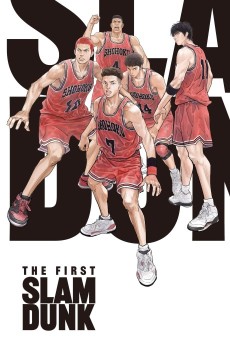
THE FIRST SLAM DUNK
Shohoku's “speedster” and point guard, Ryota Miyagi, always plays with brains and lightning speed, running circles around his opponents while feigning composure. Born and raised in Okinawa, Ryota had a brother who was three years older. Following in the footsteps of his older brother, who was a famous local player from a young age, Ryota also became addicted to basketball.
In his second year of high school, Ryota plays with the Shohoku High School basketball team along with Sakuragi, Rukawa, Akagi, and Mitsui as they take the stage at the Inter-High School National Championship. And now, they are on the brink of challenging the reigning champions, Sannoh Kogyo High School.
(Source: GKIDS)
📺Anime Details
📝Editorial Analysis
The squeak of sneakers on polished wood—sharp, urgent, alive—cuts through the hush just before tip-off. Ryota Miyagi crouches low, knees bent, eyes locked not on the ball but on the space between defenders—the gap no one else sees yet. His breath is steady, but his pulse thrums in your ears like a second soundtrack. You feel it: the weight of Okinawa’s salt wind in his posture, the ghost of his older brother’s shadow stretching across the court, the quiet, ferocious dignity of a boy who leads with speed but thinks in silence. This isn’t just basketball. It’s memory moving at full sprint.

What makes THE FIRST SLAM DUNK vibrate so deeply isn’t its CGI polish or shōnen structure—it’s how it holds grief and grit in the same hand. The tragedy isn’t melodramatic; it’s woven into Ryota’s muscle memory—how he catches a pass without looking because his brother taught him to trust the arc before the catch, how he flinches at a whistle that sounds too much like a hospital alarm. This is coming-of-age as quiet accumulation: every dribble a reckoning, every assist a deferred apology, every fast break a refusal to let loss define the pace. It doesn’t shout hope—it lets hope breathe in the split-second pause before the layup, raw and unguarded.
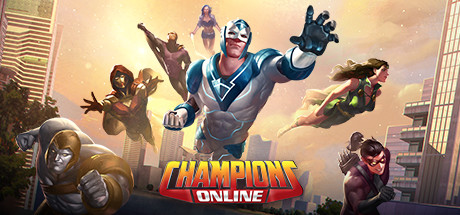
That emotional DNA—competitive spirit forged in personal history, emotional narrative rooted in restraint—echoes in unexpected places. Take Champions Online: its player review gushes about “character customization” as “the best case,” but what’s underneath? A world where identity isn’t handed down—it’s built, piece by piece, cape by cape, power by power—just like Ryota assembling himself from fragments of his brother’s legacy, Okinawan resilience, and Shohoku’s chaotic energy. The game’s “Competitive Spirit” dimension isn’t about leaderboards—it’s the quiet pride of designing a hero who bears your scars and your dreams, then stepping into Millennium City not to win, but to stand. That’s Ryota guarding the key, jaw set, heart wide open.
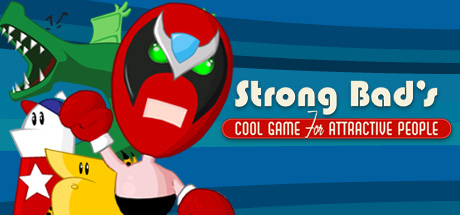
Then there’s Strong Bad's Cool Game for Attractive People: Season 1, dismissed by its own review as “wacky comedic adventures”—but look closer. Its Emotional Narrative score matches THE FIRST SLAM DUNK’s, and its player review wistfully hopes for a remake “next…” after Poker Night’s return. That longing? That tender, slightly absurd reverence for something imperfect but cherished? That’s the anime’s heartbeat. Ryota doesn’t weep over his brother—he jokes with Sakuragi, steals snacks, misses shots, and keeps running. The humor isn’t relief from tragedy; it’s how the tragedy lives, unvarnished and human, inside the joke. Strong Bad’s cartoon logic—where emotion wears a wrestling mask and delivers truth via punchline—is kin to Ryota’s grin mid-dribble: armor, yes, but also an invitation.
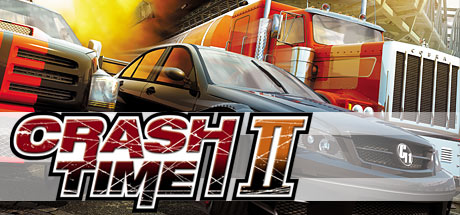
Even Crash Time 2, panned for “awful controls” and “janky physics,” shares the thread—not in execution, but in intent. Its description frames you as an Autobahn police officer chasing criminals across “a large free-roaming map,” and its player review calls out the lack of “basic support for gamepad.” That friction—the system fighting back, the world refusing to bend neatly—mirrors Ryota’s reality: Okinawa’s humidity warping his jump shot, Shohoku’s underdog status bending every play, his own body remembering grief before his mind does. The Competitive Spirit here isn’t smooth victory—it’s persisting despite the jank, the lag, the fact that the game shouldn’t work—but it does, because you keep steering, keep chasing, keep believing the next turn matters.
This pairing sings for the viewer who watches Ryota’s hands tremble once before he sets the screen—and feels their own throat tighten. For the player who spends hours tweaking a hero’s emblem not for power, but because that tiny symbol means I was here, I chose this. For the person who laughs at Strong Bad’s nonsense and then pauses, quiet, remembering how their own family stories live in offhand remarks and half-forgotten gestures. Not fans of sports or games—but people who recognize resilience when it wears sneakers, a cape, a wrestling mask, or the unsteady grip of a rookie cop on a twitchy wheel. They don’t want triumph. They want the truth of trying—and the profound, aching beauty of doing it alongside others who understand the weight behind the sprint.
🎮6 Games That Match the Vibe
Match Dimensions Explained
❓Frequently Asked Questions
Why does the Sannoh vs. Kainan match in THE FIRST SLAM DUNK feel so intense compared to other basketball games?
Because it nails the 'Competitive Spirit' and 'Emotional Narrative' dimensions like few games do—Champions Online mirrors that intensity through its high-stakes villain fights (like Dr. Destroyer's climactic showdown) and deeply personal hero origin stories, where every skill choice and costume piece reflects your character’s growth. It’s not just about winning—it’s about who you become mid-battle, just like Rukawa locking eyes with Sendoh before that game-winning shot.
Is there a Slam Dunk anime or manga adaptation turned into a game?
No official Slam Dunk game exists—but Strong Bad's Cool Game for Attractive People: Season 1 captures that same offbeat, emotionally grounded energy: five tightly written episodes where humor and heart collide (like Coach Bo's surprisingly tender pep talks), and the player review even compares its narrative charm to beloved remastered classics. It’s not basketball—but it *feels* like stepping into a beloved, character-driven sports anime’s quieter, weirder cousin.
How does Champions Online compare to Crash Time 2 for capturing that 'underdog team rising together' vibe?
Champions Online absolutely delivers—it’s built on cooperative heroics, emotional arcs, and meaningful progression (designing your own cape, facing Dr. Destroyer alongside allies), while Crash Time 2 falls flat: janky controls, zero team mechanics, and no narrative weight—its player review bluntly calls it 'awful' and 'factually BAD'. If you want shared triumph and earned camaraderie, skip the Autobahn and suit up in Millennium City instead.
What’s the best game like THE FIRST SLAM DUNK if I want something uplifting but not too serious?
Go straight to Strong Bad's Cool Game for Attractive People: Season 1—it’s got the same warm, character-driven pulse as Slam Dunk’s quieter locker-room moments, but wrapped in absurd, affectionate comedy (think Homestar Runner’s goofy charm meeting Coach Anzai’s quiet wisdom). The player review even wistfully hopes for its return, calling it a nostalgic, heartfelt ride—perfect when you need spirit without sweat.