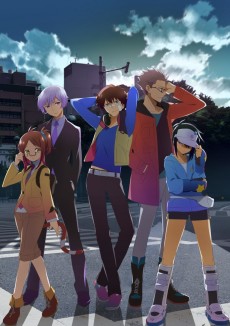
Hamatora
"Minimum" - a special inborn power found in a limited number of human beings, known as "minimum holders." In Yokohama, the detective team Hamatora, formed by two minimum holders named Nice and Murasaki, comes across information connected to a serial killer being pursued by their old friend Art. It turns out all the victims are minimum holders like them. Unwillingly at first, the two detectives become involved in the investigation.
(Source: Anime News Network)
📺Anime Details
📝Editorial Analysis
Rain slicks the neon-drenched alley behind Café Nowhere—green and violet light bleeding across wet asphalt, reflecting in the cracked lens of Nice’s sunglasses as he leans against the brick wall, cigarette smoke curling like a question mark. Murasaki stands a few feet away, arms crossed, expression unreadable, blood drying black at his knuckles. A body lies just inside the doorway—not grotesque, not theatrical, but tired, slumped like discarded laundry. The killer didn’t leave a message. Just a single, scorched Minimum symbol branded into the victim’s wrist: a jagged, minimalist “M” glowing faintly before fading. No sirens yet. Just the low hum of Yokohama at 3 a.m., the weight of knowing this isn’t random—it’s targeted, personal, and already too close.
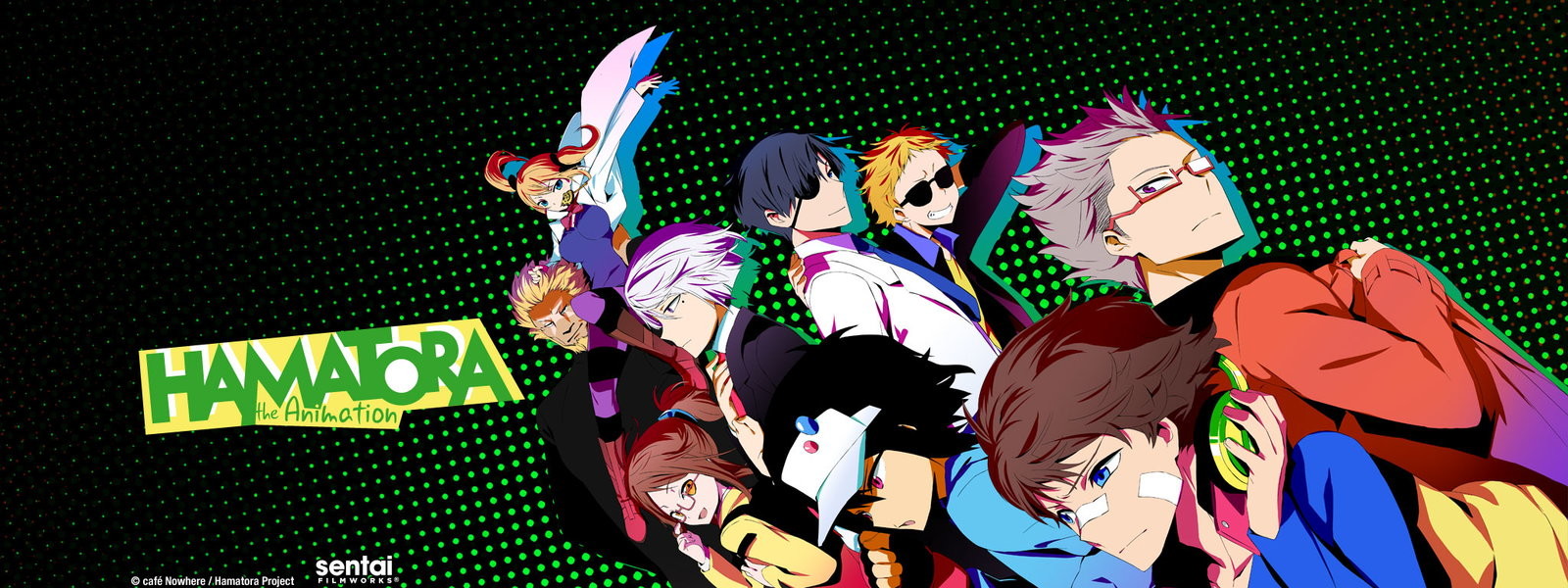
That’s the feeling Hamatora lives inside: urban exhaustion. Not despair—not quite—but the bone-deep weariness of being sharp enough to see the rot beneath the city’s glitter, yet too small, too broke, too human to fix it. It’s comedy that stings because it’s true—the slapstick bickering between Nice and Murasaki over rent or instant ramen isn’t relief; it’s armor. The gore isn’t shock for shock’s sake—it’s abrupt, unceremonious, a reminder that power doesn’t insulate you from consequence. This isn’t superhero fantasy. It’s minimum survival: minimal resources, minimal trust, minimal margin for error in a world that treats Minimum holders like data points in a murder spreadsheet.
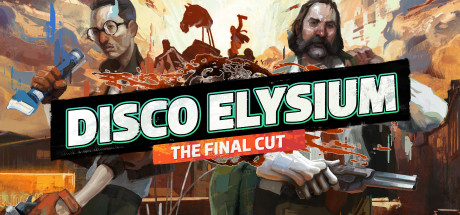
That same gritty intimacy pulses through Disco Elysium - The Final Cut, where every dialogue choice scrapes against the detective’s fraying psyche—and the city of Revachol doesn’t just host the mystery, it digests it. The player review nails it: “Capital has the ability to subsume all critiques into itself.” That’s Yokohama in Hamatora, too—the system isn’t evil in a cartoonish way. It’s bureaucratic, indifferent, humming along while Minimum holders vanish. Both refuse catharsis. You don’t “solve” the rot—you learn to navigate its grammar, one compromised decision at a time.
Then there’s Max Payne and Max Payne 2: The Fall of Max Payne, where noir isn’t a visual filter—it’s physiological. The description calls Max “a man with nothing to lose in the violent, cold urban night,” hunted by cops and the mob, his back against the wall. That’s Nice and Murasaki’s reality after Art reappears—not as a savior, but as a ghost from a past they tried to outrun. The player review remembers passing the controller after death: “once you died, you passed the controller to the next player.” That communal, almost ritualistic endurance mirrors how Hamatora frames trauma—not as solitary suffering, but as something shared, handed off, survived together, even when words fail. And Max Payne 2’s tagline—“a violent, film-noir love story”—echoes the show’s quiet, unspoken devotion between its leads: no grand declarations, just Murasaki silently refilling Nice’s coffee after a brutal fight, or Nice cracking a joke mid-chase to keep Murasaki breathing.
Sherlock Holmes versus Jack the Ripper lands differently—not in tone, but in structure. Its description positions Holmes “standing alone against the horror,” facing “the most horrifying investigation of the series.” That isolation is key: Hamatora’s early cases feel like that—small, self-contained horrors (a missing girl, a stolen artifact) that slowly coalesce into something vast and systemic. The player review mentions older Frogwares titles failing technically—“either technically unable to work on my pc or…”—but what lingers is the intent: to make deduction feel tactile, consequential, claustrophobic. Like Hamatora’s episodic pacing, each case tightens the screws until the city itself feels like evidence.
This pairing isn’t for fans of clean victories or power fantasies. It’s for the ones who watch Hamatora and pause the episode after Murasaki stares out the café window, silent for twelve seconds, and think: Yeah. I know that silence. It’s for players who replay Disco Elysium not to “win,” but to hear another voice in their head crack open; who reload Max Payne not to avoid bullets, but to sit with the weight of that final, breathless line before the screen cuts to black. They’re the ones who love stories where the real mystery isn’t who did it—but how anyone keeps walking forward, coffee in hand, under flickering neon, when the ground keeps giving way.
🎮14 Games That Match the Vibe




Match Dimensions Explained
❓Frequently Asked Questions
Why does Hamatora feel so similar to Max Payne 2 despite being an anime?
It’s all in that neon-drenched, morally gray noir vibe—Max Payne 2’s tragic love story, rain-slicked cityscapes, and slow-mo gunfights (like the iconic 'bullet-time' hallway takedowns) mirror Hamatora’s moody Tokyo nights and high-stakes personal stakes. Both lean hard into flawed, brooding protagonists (Max vs. Nice) wrestling with trauma while navigating conspiracies that blur lines between justice and vengeance.
Is there a Hamatora video game adaptation?
No—there’s never been an official Hamatora game. But if you’re craving that same blend of psychic powers, detective work, and stylish urban grit, Disco Elysium nails the cerebral mystery side (with its skill-based dialogue like Logic or Empathy checks during tense interrogations), while Max Payne 2 delivers the visceral, cinematic action and emotional weight fans love.
How does Sherlock Holmes versus Jack the Ripper compare to Disco Elysium for detective gameplay?
Sherlock Holmes vs. Jack the Ripper is more traditional point-and-click investigation—think examining bloodstains at Whitechapel crime scenes or reconstructing timelines from witness testimony—whereas Disco Elysium ditches combat entirely for deep, branching dialogue trees and internal monologues (like your Character’s ‘Inland Empire’ skill arguing with you mid-investigation). Both are Neon Noir, but Disco leans surreal and philosophical; Sherlock stays grounded in Victorian deduction.
What’s the best Hamatora-like game if I want that late-night, rain-soaked, emotionally raw vibe?
Max Payne 2: The Fall of Max Payne is your absolute go-to—it’s got the same melancholic romance, voiceover-heavy narration, and oppressive urban atmosphere as Hamatora’s quieter, character-driven moments (like Nice staring out the café window after a loss). The way it balances brutal gunplay with heartbreaking vulnerability—especially in scenes like the elevator confrontation with Mona—hits *exactly* that Hamatora mood.