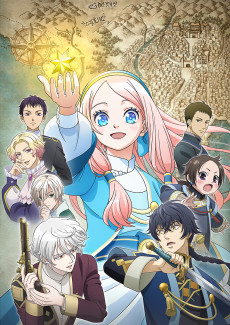
Nina the Starry Bride
Nina, a girl living as an orphan in the Fortna Castle Town, happens to have eyes of the same deep blue hue as lapis lazuli—just like the God of the Stars. They’re also the same color as the eyes of the recently deceased Princess Alisha. For that reason, when the second prince of Fortna, Azure, discovers Nina, he ordains that she will live as the princess in Alisha’s place. As substitute princess and Priestess of the Stars, Nina is obligated to become the false bride of Sett, the first prince of the large neighboring nation of Galgada after the third month has passed. Despite being at the mercy of fate, Nina is just happy to feel needed by someone. What is it that her open, honest eyes see? The destinies of all the players on this stage begin to move when they make up their minds to protect the ones they love!
(Source: Crunchyroll)
📺Anime Details
📝Editorial Analysis
The first time Nina stands before the Star Altar, barefoot on cold marble, her breath hitches—not from fear, but from the weight of borrowed light. Her lapis eyes catch the glow of the celestial lanterns; the priests bow; Prince Sett watches her with a gaze that holds no warmth, only duty’s quiet gravity. She doesn’t speak. She doesn’t need to. The silence between them hums with everything unsaid: grief, obligation, the hollow echo of a dead princess’s name in every title she’s given. That stillness—thick as velvet and just as suffocating—is where Nina the Starry Bride lives.

This isn’t fantasy as escape. It’s fantasy as pressure chamber. You don’t feel wonder here—you feel constriction: the tight seam of a ceremonial robe stitched over orphan’s skin, the way royal protocol folds around Nina like chains disguised as silk. There’s no triumphant music when she signs the marriage decree; just the scratch of quill on vellum and the distant clang of blacksmiths forging armor for a war no one’s named yet. What lingers is the dread of alignment—how identity, love, and loyalty are all bent toward the axis of state survival. It makes you think about how much of ourselves we erase to become legible to power—and how often “kindness” from above is just efficiency wearing a gentle mask.
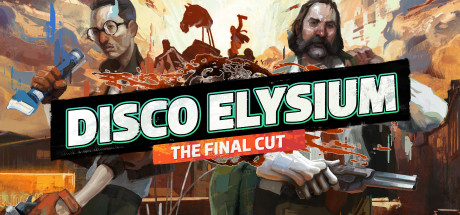
That same dread lives in Disco Elysium - The Final Cut, not as palace intrigue, but as systemic saturation. Its description calls it a Political Thriller nested inside a role-playing game—and yes, you’re a detective, but the real antagonist is the city itself: Revachol, rotting under capital’s logic, its streets paved with unspoken compromises. Like Nina, you’re handed a role you didn’t choose—broken cop, walking archive of bad decisions—and told to perform stability while your own mind fractures under competing ideologies. The player review nails it: “Capital has the ability to subsume all critiques into itself. Even those who would critique capital end up reinforcing it instead.” That’s Nina signing the marriage contract while whispering Alisha’s prayers. That’s Harry Du Bois choosing “Logic” to solve a crime, only to realize his deduction served the very bureaucracy that erased his memories. Both are trapped in systems so totalizing that resistance looks identical to compliance—until it isn’t. The emotional DNA isn’t in the setting, but in the exhaustion of perpetual translation: translating grief into protocol, trauma into testimony, self into service.
And then there’s the love triangle—not as swooning romance, but as geopolitical triangulation. Azure selects Nina not out of affection, but because her eyes match. Sett accepts her not as a partner, but as a ritual necessity. Their interactions aren’t charged with longing—they’re calibrated, like diplomatic correspondence drafted in candlelight. That’s why Disco Elysium resonates so sharply: its Romance & Shoujo tag isn’t about confession scenes or blushes—it’s about the shoujo-coded labor of emotional maintenance under duress. When Kim Kitsuragi offers quiet support, it’s never sentimental; it’s logistical, protective, bound by shared exhaustion. Like Nina sharing tea with Sett while discussing grain tariffs, their intimacy is forged in the space between official roles—not outside them. You don’t fall in love in either world. You negotiate proximity, one careful gesture at a time.
Who loves this pairing? Not the escapist. Not the power-fantasy seeker. It’s the reader who underlines passages about bureaucratic melancholy in Murakami novels. The player who replays the same dialogue tree in Disco Elysium not to win, but to hear how differently despair sounds when voiced by a different skill check. It’s the person who watches Nina adjust her crown—not with pride, but with fingers trembling just slightly at the temples—and feels a jolt of recognition, not pity. They know the ache of being useful before they’re seen. They understand that the most devastating love stories aren’t about finding yourself—but about watching yourself dissolve into the shape power requires, then wondering, quietly, if anything remains beneath the lapis-blue veneer.
🎮1 Games That Match the Vibe
Match Dimensions Explained
❓Frequently Asked Questions
Why is Disco Elysium listed as similar to Nina the Starry Bride?
Because both lean hard into emotionally charged, character-driven romance with heavy political and existential weight—Nina’s quiet rebellion against celestial bureaucracy mirrors Disco Elysium’s detective unraveling systemic rot in Revachol. You’ll feel that same ache in scenes like Nina choosing between duty and love under the star-choked sky, just like Harry Du Bois debating loyalty while standing in a rain-soaked alley, his Skill checks whispering conflicting truths.
Is there an anime or manga adaptation of Nina the Starry Bride?
No—unlike Disco Elysium (which has no official anime but inspired fan comics and philosophical manga-style analyses), Nina the Starry Bride remains a standalone visual novel with no licensed adaptations. Its closest cousin in format and tone is still Disco Elysium: both are deeply textual, choice-saturated, and resist easy translation to animated episodic storytelling.
How does Nina the Starry Bride compare to Disco Elysium in terms of romance options?
Nina offers intimate, slow-burn romantic arcs with celestial suitors like Lyra (a star-charting archivist) and Orion (a disillusioned constellation guardian), where choices shape emotional resonance over dozens of hours. Disco Elysium has fewer overt romance paths—but its ‘Romance & Shoujo’ dimension shines in moments like the haunting, tender hotel room scene with Kim Kitsuragi, where vulnerability cuts deeper than any confession.
What’s the best game like Nina the Starry Bride if I want something melancholic but hopeful, with poetic writing and quiet magic?
Disco Elysium — especially The Final Cut — nails that exact vibe: think Nina’s starlit rooftop confessions meets Harry’s whispered monologues to the void, all wrapped in lyrical prose and surreal beauty. Reviewers call it ‘a cruel irony’ that such a broken world feels so tender—and that’s the same fragile warmth you get when Nina traces constellations in the dust of a crumbling observatory.