
Saving 80,000 Gold in Another World for My Retirement
📺Anime Details
📝Editorial Analysis
The smell of simmering stew—rich, earthy, just a little smoky—fills the air as she stirs the pot with one hand, her other resting lightly on the worn wooden counter. Outside, a dragon dozes in the sun, tail curled around the garden fence like a lazy cat. No grand battle. No urgent quest scroll. Just steam rising, a spoon clinking softly against ceramic, and the quiet certainty that this is enough.
That’s the heartbeat of Saving 80,000 Gold in Another World for My Retirement: not escape from life, but deep, deliberate settling into it. It’s the weight of a copper coin dropped into a leather pouch, the satisfying thunk of a freshly fired rifle hitting its mark at the range—not to kill, but to prove competence, to earn respect without bloodshed. It’s economics as comfort: calculating grain yields, bartering for quality wool, pricing dragon-scale leather not as loot but as material, as future. There’s no frantic power escalation—just slow accrual, quiet confidence, and the profound relief of agency without urgency. You don’t feel heroic here. You feel safe. You feel capable. You feel grounded—in soil, in routine, in the warm, unglamorous arithmetic of survival and small luxuries.
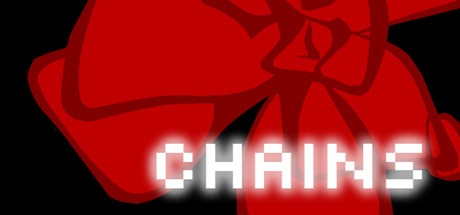
Chains, that deceptively gentle match-3 arcade game, shares this same hush. Its physics-driven bubbles don’t explode—they settle, gently rebound, roll into place with soft inevitability. The player review nails it: “Reminds me of connect 4 in nutshell.” That’s the feeling—methodical, tactile, low-stakes mastery. No timers, no enemies, just the quiet satisfaction of linking three blues, watching them vanish with a soft pop, clearing space not for victory, but for breathing room. Like stirring that stew, like checking ledger entries, like sighting down a rifle scope: it’s about rhythm, precision, and the deep calm of doing something well, slowly, with your hands. The “Healing & Slow Life” dimension isn’t metaphor—it’s physiological. Your pulse drops. Your shoulders loosen. You’re not chasing a win; you’re practicing presence.
Then there’s VA-11 Hall-A: Cyberpunk Bartender Action, where healing isn’t magical—it’s poured into a glass. You listen. You remember names, preferences, traumas whispered over whiskey sours. The “Emotional Narrative” tag isn’t about plot twists; it’s about the quiet accumulation of trust, the weight of a regular’s silence before they finally say, “Make it strong tonight.” Just like our protagonist doesn’t need to save kingdoms—she needs to earn enough gold to buy land, build a stable, adopt a dragon who naps in the herb garden. Her emotional arc isn’t catharsis through crisis, but through consistency: showing up, cooking, trading, firing rounds at targets until her aim is steady, her finances are sound, her peace is earned, not granted. VA-11 Hall-A mirrors that—no grand revolution, just the radical act of tending to people, one drink, one conversation, one carefully balanced budget at a time.
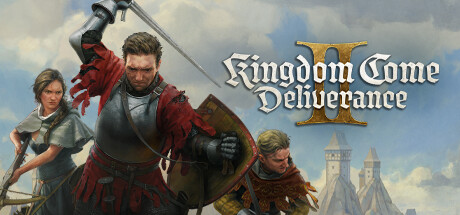
Even Kingdom Come: Deliverance II, with its “Dark Fantasy” and “Tactical Warfare” tags, resonates—not in tone, but in texture. That “Emotional Narrative” emerges from granular realism: the ache in your shoulder after hours of sword practice, the frustration of failing a lockpick minigame again, the quiet pride when you finally craft armor that actually fits. It’s labor made visible, consequence made tangible. Like our protagonist’s meticulous gold-counting or her patient, repeated rifle drills—there’s no shortcut, no cheat code for competence. Every skill feels worn in, not leveled up. The emotional payoff isn’t spectacle—it’s the deep, wordless satisfaction of knowing exactly how much a sack of rye costs, or how far your bullet will drop at 200 meters. It’s earned stability, not inherited power.
This pairing sings for the person who finds magic in a well-kept ledger, who feels peace in the click of a bolt-action rifle, who treasures the warmth of shared food more than any dragon hoard. Not the escapist craving spectacle—but the quiet soul who knows real safety isn’t found in castles or crowns, but in knowing your tools, trusting your hands, and understanding, deeply, that enough is not a compromise—it’s the most radical, tender victory of all.
🎮3 Games That Match the Vibe

Match Dimensions Explained
❓Frequently Asked Questions
Why does Chains feel so much like Saving 80,000 Gold in Another World for My Retirement?
Because both lean hard into Healing & Slow Life vibes — Chains’ bubble-linking mechanic is meditative and low-stakes, like managing your gold stash one careful decision at a time. You’re not fighting monsters; you’re calmly chaining colors, just like the protagonist quietly optimizing her retirement budget while sipping tea in her cozy cottage.
Is there an anime or game adaptation of Saving 80,000 Gold in Another World for My Retirement?
No official anime or game adaptation exists yet — but Chains nails the same soothing, emotionally grounded rhythm fans love. It’s not a direct adaptation, but its Healing & Slow Life dimension (82 score) and focus on quiet mastery mirror the novel’s calm, intentional pacing better than flashier RPGs.
How does Chains compare to VA-11 Hall-A: Cyberpunk Bartender Action for relaxation?
Chains is way more relaxing — VA-11 Hall-A leans into emotional narrative with high-stakes cyberpunk drama and moral ambiguity (59 score), while Chains strips everything back to tactile, physics-driven matching (82 score). If you want zero pressure and pure slow-life flow, Chains is the clear win — no bar tabs to balance, just bubbles to link.
What’s the best game like Saving 80,000 Gold if I just want that cozy, low-stress retirement energy?
Chains is hands-down the best match — its Healing & Slow Life dimension scores 82, and the whole loop (linking adjacent bubbles, clearing stages at your own pace) mirrors the novel’s vibe of gentle control and quiet satisfaction. No dark fantasy battles like Kingdom Come: Deliverance II, no cyberpunk angst like VA-11 Hall-A — just peaceful, purposeful play.