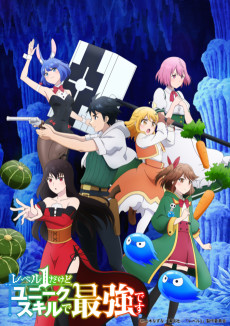
My Unique Skill Makes Me OP even at Level 1
📺Anime Details
📝Editorial Analysis
The first time Renji fires his revolver in the dungeon’s damp, moss-choked corridor—smoke curling from the barrel, a goblin frozen mid-lunge, its ear twitching just before it crumples—the world doesn’t shatter. It settles. Not with thunder or awe, but with quiet, unshakeable certainty: this isn’t about power scaling. It’s about control, not over monsters—but over chaos itself. His hands don’t shake. His breath stays even. And when he kneels to check the goblin’s pulse—not to finish it, but to confirm it’s unconscious—he does it like someone who’s already decided what kind of person he’ll be in this world.
That’s the feeling My Unique Skill Makes Me OP even at Level 1 lives inside: calm competence. Not arrogance. Not detachment. A deep, almost meditative steadiness, where magic hums like background static and guns click like clockwork, and every tamed beast—ears flicking, tail swaying—adds another thread to a web of quiet belonging. This isn’t a story about rising from zero to godhood; it’s about building stability in a world that defaults to entropy. The dungeon isn’t a gauntlet—it’s a rhythm section. The harem isn’t fan service—it’s found family stitching itself together stitch by stitch: shared meals, quiet watch shifts, the way a kemonomimi girl adjusts her scarf before handing Renji a thermos of tea she warmed with fire magic. You don’t feel adrenaline here—you feel resonance. Like breathing in sync with something older and slower than combat.
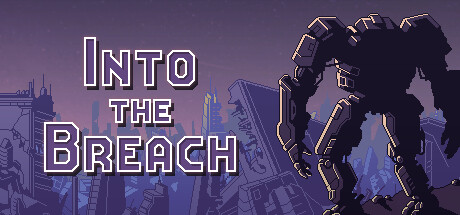
Which is why Into the Breach lands with such uncanny familiarity. Its roguelike dungeon structure isn’t about permadeath panic—it’s about tactical stillness. Every turn is a held breath: you nudge a mech just one tile left, redirect a lava flow with precise timing, absorb damage so your civilian unit survives not because you’re strong, but because you chose right. Player reviews call it “chess with consequences”—and that’s the anime’s heartbeat too: Renji doesn’t overpower enemies; he orchestrates outcomes. His unique skill isn’t flashy—it’s predictive, situational, deeply contextual. So is Into the Breach’s grid: no random crits, no RNG surges—just cause, effect, and the profound relief of seeing your plan unfold exactly as intended. That same quiet exhale after a perfect block, a saved city block, a goblin disarmed instead of slain.
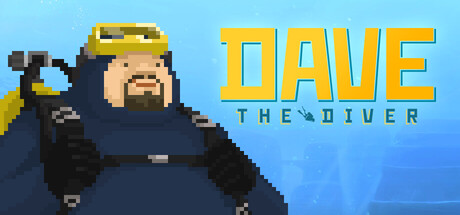
Then there’s DAVE THE DIVER, where diving into the blue isn’t about conquest—it’s about rhythm and return. You descend, gather, observe bioluminescent jellyfish drift past your flashlight beam, surface with fish that become soup, then sit at the diner counter watching regulars laugh over miso broth. Its “Healing & Slow Life” dimension mirrors the anime’s emotional cadence: Renji doesn’t just clear floors—he tends gardens with earth magic, teaches a young fox-girl how to reload safely, listens while a healer recounts her village’s flood. No urgency, no ticking clock—just layered presence. Like DAVE’s dive logs filling with small discoveries (a new coral pattern, a shy octopus), the anime accumulates meaning in glances, shared silences, the weight of a hand on a shoulder after a tough fight. Both refuse spectacle as currency. They trade in accumulated care.
Even Chains, that deceptively gentle match-3 arcade game, vibrates at the same frequency. Its description calls it “relaxing,” its physics “increasingly difficult” yet never frantic—and the player review nails it: “link 3 or more… clear enough till you can proceed.” That’s Renji’s entire philosophy. Not chain combos or flashy spells—linking. Linking skills to needs, linking trust to action, linking gunpowder to precision, linking magic to mercy. Each cleared bubble in Chains isn’t victory—it’s permission to continue, a soft threshold crossed. So is every dungeon floor Renji stabilizes, every creature he calms instead of kills, every meal he shares without words. The challenge isn’t escalation—it’s maintenance. Holding space. Making things fit.
This pairing sings for people who crave stillness with stakes: the veteran RPG player who skips cutscenes but replays tavern conversations; the anime watcher who rewinds scenes where characters just breathe together; the strategist who finds joy not in domination, but in the clean click of a decision landing true. Not those chasing dopamine spikes—but those who recognize calm as the rarest superpower of all.
🎮4 Games That Match the Vibe

Match Dimensions Explained
❓Frequently Asked Questions
Why does Into the Breach feel so satisfying when I nuke a swarm of Vek with a single well-placed Frost Cannon shot?
Because it nails that 'OP at Level 1' fantasy — you’re not grinding to unlock power, you’re *starting* with precise, high-impact abilities like Frost Cannon (which freezes enemies and sets up chain reactions) and Chrono Cannon (rewinds time if you miss). Unlike Goetita: Turn-based City, where emotional weight slows pacing, Into the Breach rewards tactical genius from minute one, just like My Unique Skill Makes Me OP even at Level 1.
Is there an anime adaptation of DAVE THE DIVER or Chains?
No — neither has an anime adaptation. DAVE THE DIVER is purely a game (dive, cook, manage your restaurant), and Chains is a physics-driven match-3 arcade title with no narrative or characters to adapt — its 'emotional narrative' dimension comes from soothing rhythm and progression, not story beats. The only title on the list with strong narrative DNA is Goetita: Turn-based City, but even that hasn’t been adapted.
How does Chains compare to DAVE THE DIVER in terms of chill vibes?
Chains leans into pure, tactile calm — think linking bubbles with gentle physics and zero time pressure, like a zen connect-4 hybrid. DAVE THE DIVER delivers slow-life warmth too, but layers it with light tension (oxygen management, boss fights), making it more 'cozy adventure' than Chains’ pure 'healing arcade' vibe. Both hit Healing & Slow Life, but Chains is the one that truly feels like unwinding after a long day.
What’s the best game on this list if I want something emotionally resonant but not sad or heavy?
Goetita: Turn-based City — it blends Emotional Narrative with Tactical Warfare in a way that’s heartfelt but uplifting, like guiding citizens through rebuilding a city after disaster using turn-based grid combat. It avoids melancholy tropes (unlike Chains’ quiet solitude or DAVE THE DIVER’s occasional bittersweet moments) and focuses on hope, small victories, and community — perfect for when you want feels without tears.