
Kotaro Lives Alone
A lonely little boy moves into a ramshackle apartment building all on his own and makes friends with the broke manga artist who lives next door.
(Source: Netflix)
📺Anime Details
📝Editorial Analysis
The smell of instant ramen steam rising in a dim, cluttered apartment—Kotaro’s small hands wrapped around the warm cup, his bare feet tucked beneath him on the worn tatami, while next door, the muffled scratch of pen on paper and the low hum of a struggling manga artist’s late-night deadline seep through the thin wall. No grand music swells. No narrator explains his loneliness. Just that quiet, suspended breath before he takes the first bite—hot, salty, enough.
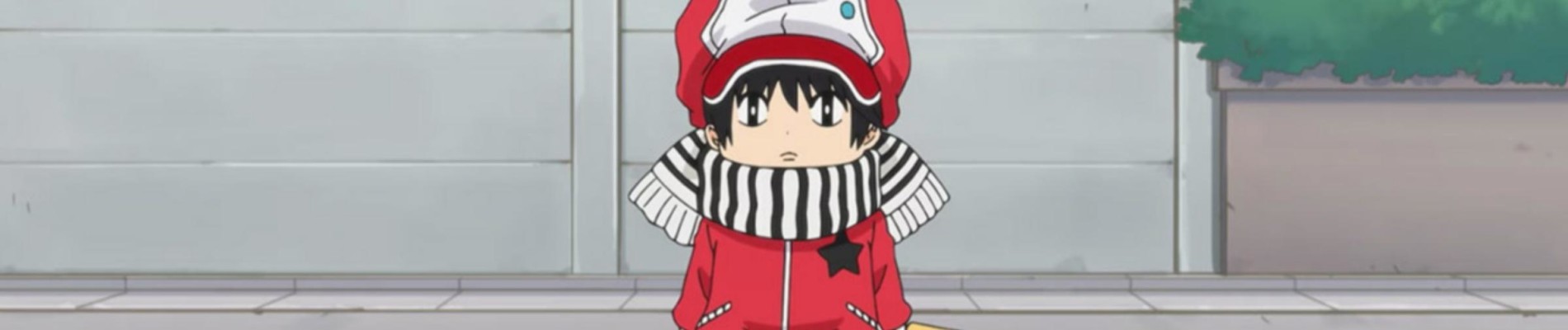
That’s the feeling Kotaro Lives Alone lives inside: quiet resilience. Not the kind that shouts or breaks down, but the kind that folds laundry for yourself at seven years old, memorizes bus routes like scripture, and learns to read adult expressions—the flicker of concern behind a landlord’s gruffness, the exhaustion masked by a neighbor’s forced smile. It’s not melancholy as sorrow, but as presence: the weight of being seen, even when no one says your name aloud. This isn’t childhood innocence lost—it’s childhood reconfigured, tender and unvarnished, where safety isn’t guaranteed but is built, brick by quiet brick, between mismatched adults and one small boy who refuses to vanish.
Tank Universal lands here—not because of tanks, but because of that player review: “Play cool tank game with dad when you were 6… time goes on; loose access to game. Grew up dad passes away…” That line doesn’t describe gameplay—it describes emotional archaeology. Like Kotaro tracing his father’s handwriting in an old notebook, or watching a neighbor’s hands move just like his dad’s used to, Tank Universal’s sci-fi sheen hides the same ache: a memory encoded in sound (the cool sound effects), color (those vivid neon grids), and shared ritual (playing with dad). The game’s “Melancholic Exploration” isn’t about ruins—it’s about wandering a world built on vanished warmth, where every control scheme, every HUD flash, echoes a relationship now held only in muscle memory. You don’t fight enemies—you navigate absence.
Then there’s Hollow Knight, with its “Beautiful art style,” “Great OST,” and “Lovely story”—but crucially, its Melancholic Exploration and Emotional Narrative. The player review doesn’t mention lore dumps or boss mechanics. It praises atmosphere, music, and feeling—exactly what Kotaro Lives Alone does with silence, light through dusty windows, and the way a shared meal stretches longer than necessary. Both works treat emptiness not as void, but as texture: the hollow of an abandoned apartment complex mirrors Hallownest’s crumbling halls; Kotaro’s careful stacking of empty miso cups resonates with the Knight placing relics in silent shrines. Neither offers easy answers—just dignity in tending to what remains.
And it’s all held together by the Found Family tag—not as trope, but as daily practice. The manga artist doesn’t adopt Kotaro. He forgets to lock his door. He leaves half-eaten bento on the shared landing. He draws badly on Kotaro’s math homework. That’s the real magic: love as imperfection witnessed and kept anyway. No grand declarations. Just the shared rhythm of two lives learning how to breathe in the same air without drowning.
This pairing isn’t for people who want catharsis on demand. It’s for the ones who recognize quiet resilience in the space between a child’s laugh and the adult’s relieved exhale right after. For the person who still hears their parent’s voice in a particular synth note, or feels their chest tighten walking past a certain convenience store at dusk—the kind of viewer who watches Kotaro tie his shoes just so, and thinks: I know that exact knot. I tied it for myself, too. They’re the ones who’ll load Hollow Knight, not to conquer, but to sit beside the Dream Nail’s soft chime—and remember how it felt to be small, safe, and utterly, beautifully unremarkable in a world that didn’t need to notice them to hold them.
🎮9 Games That Match the Vibe






Match Dimensions Explained
❓Frequently Asked Questions
Why does Hollow Knight get recommended so much for fans of Kotaro Lives Alone?
Because both lean hard into quiet, emotionally resonant storytelling amid decay—like Kotaro’s empty apartment building, Hollow Knight’s Hall of Gods or the Weary Vale evoke profound loneliness and tenderness. You’ll feel that same ache when you find Zote’s tiny, hopeful note in a crumbling wall or hear Hornet hum softly after a tough boss fight—just like Kotaro’s small rituals with his grandmother’s teacup.
Is there an anime or game adaptation of Kotaro Lives Alone?
No official game adaptation exists yet—but Hollow Knight (score 61) and Tank Universal (76) are the closest *spiritual* matches people reach for, especially since Kotaro’s story is deeply narrative-driven and melancholic. Fans often say Hollow Knight’s silent protagonist and layered environmental storytelling mirror Kotaro’s wordless resilience, while Tank Universal’s bittersweet player review about playing with a late father taps into the same intergenerational emotional core.
Hollow Knight vs Tank Universal—which is better for someone who loved Kotaro’s quiet, reflective mood?
Go with Hollow Knight—it’s built for melancholic exploration and emotional narrative (both dimensions rated highly), with scenes like the Dream Nail’s fragmented memories or the Library of Absolution echoing Kotaro’s slow, tender uncovering of truth. Tank Universal leans more into action FPS energy and sci-fi spectacle, even if its player review hints at deep personal resonance—it’s less about stillness and more about roaring through neon voids with your dad’s ghost in the sound design.
What’s the best game like Kotaro Lives Alone if I want something soothing but heavy with unspoken emotion?
Hollow Knight is your answer—its hand-drawn world, hushed OST, and moments like sitting beside the Shade Cloak vendor in Deepnest or watching the Pale King’s mural slowly reveal itself deliver that exact blend of calm surface and deep sorrow. The game doesn’t shout its feelings; it lets you sit with them, just like Kotaro folding origami alone in his sunlit room while the city hums outside.