![Tokyo Ghoul: [JACK]](https://s4.anilist.co/file/anilistcdn/media/anime/cover/medium/bx21132-nY3Ifx1GYQ6f.jpg)
Tokyo Ghoul: [JACK]
The story follows how the ace investigator Arima and the talented 7th Ward investigator Taishi Fura first met.
(Source: Anime News Network)
📺Anime Details
📝Editorial Analysis
Rain slicks the asphalt of the 7th Ward like oil on a blade. A motorcycle engine snarls—low, guttural—then cuts dead mid-turn as Taishi Fura skids to a stop beneath a flickering streetlamp. His knuckles are split. His uniform shirt is torn at the shoulder. He doesn’t look up when Arima Kishou steps out of the shadows—not with a weapon drawn, not with fury, but with silence so thick it hums. That silence isn’t calm. It’s the weight before the fracture. It’s the moment before a boy realizes his code isn’t law—it’s just language he hasn’t learned how to break yet.
![Tokyo Ghoul: [JACK] banner](https://s4.anilist.co/file/anilistcdn/media/anime/banner/n21132-AJU3lc6JfnMM.jpg)
That’s the feeling Tokyo Ghoul: [JACK] lives inside: anticipatory grief. Not the wail after loss, but the quiet dread before the first bone cracks—when you’re still wearing your school blazer, still gripping a baseball bat like it’s a lifeline, and already know the ground beneath you is ash. It’s not horror as jump-scare or gore-as-spectacle. It’s horror as recognition: seeing your own reflection in someone else’s eyes—and realizing neither of you is human anymore, not quite, not safely. The delinquents aren’t rebels; they’re kids who’ve stopped believing in consequences because consequences already happened. The motorcycles don’t symbolize freedom—they’re metal cages moving too fast to stop. Even the baseball scenes feel like rituals: gloves tightening, dirt kicked up, the crack of bat meeting ball echoing like a countdown.
Which makes Tank Universal shockingly resonant—not because of tanks or sci-fi, but because of that same emotional narrative anchored in irreversible time. Its player review doesn’t talk about armor stats or enemy AI—it talks about six years old, dad, sound effects, colors, and then—dad passes away. That’s the DNA: a sensory memory (the hum of engines, the flash of neon) fused to a personal rupture no gameplay loop can reverse. Like Taishi watching Arima walk away after their first confrontation—not with anger, but with the dazed understanding that some doors only open once, and slam shut forever after. Both works hold space for what’s lost in translation between generations, between roles, between who you were and who you’re forced to become.
Then there’s Jade Empire™: Special Edition, where the player review fixates not on combat or lore—but on a Reddit thread, on copying “steam.dll”, on the fragile, almost absurd labor required just to access the experience. That friction mirrors [JACK]’s central tension: meaning isn’t handed down. It’s retrieved, often through broken systems. Taishi doesn’t inherit justice—he stumbles into it, misreads it, bleeds into it. Arima doesn’t mentor; he observes, like a scientist watching a specimen adapt to poison. The game’s “open palm or closed fist” choice isn’t moral theater—it’s the same raw, unvarnished fork Taishi faces every time he chooses whether to swing that bat at someone or for them. Both demand you wrestle with agency in a world that’s already decided your limits.
And yes—even Persona 5 Royal, with its glittering soundtrack and seamless daily rhythm, shares that undercurrent. Its review praises the transition between daily life—but what makes that transition haunting in [JACK] is how ordinary it feels: tying a tie before chasing a ghoul, adjusting a glove before breaking a nose. The horror isn’t in the blood—it’s in how easily the mundane folds into violence, how quickly “school” and “delinquent” and “investigator” blur into one exhausted identity. P5R’s Tokyo is stylized, saturated—but its emotional core is the same quiet exhaustion of performing adulthood before you’ve metabolized adolescence. The Phantom Thieves wear masks; Taishi wears a badge he doesn’t believe in yet. Both are costumes worn while waiting for the real self to catch up.
This pairing isn’t for fans of “dark stories.” It’s for people who remember the exact smell of rain on hot pavement after a fight, who flinch at certain chimes because they sound like a childhood alarm clock that never went off again, who understand that grief isn’t always loud—and sometimes, the most devastating moment is when the motorcycle stops, the streetlamp buzzes, and two boys stand in silence, already mourning the versions of themselves they haven’t even buried yet.
🎮6 Games That Match the Vibe


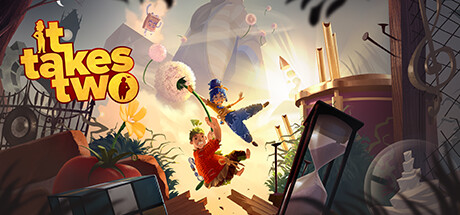
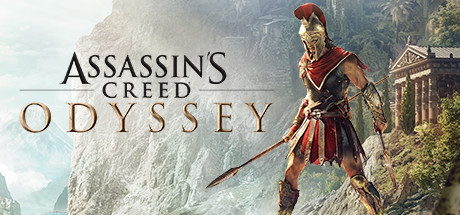
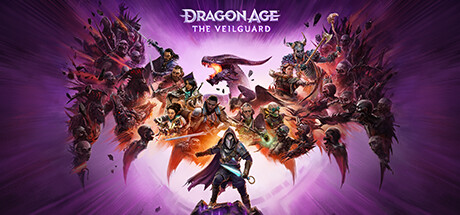
Match Dimensions Explained
❓Frequently Asked Questions
Why does Persona 5 Royal keep showing up in 'Games Like Tokyo Ghoul: [JACK]' lists?
Because both lean hard into the 'Adult & Dark Seinen' vibe — think Kaneki’s psychological unraveling mirrored in Joker’s rebellion against corrupt authority, or the way Persona 5’s Palace dungeons visually echo [JACK]’s grotesque, ink-splattered hallucinations during combat. Even the emotional narrative dimension lines up: like [JACK], P5R uses daily life routines (school, part-time jobs) to deepen trauma and identity crises — just swap Kagune for Confidants and you’re in the same headspace.
Is there a Tokyo Ghoul: [JACK] anime or game adaptation?
No — [JACK] is exclusively a mobile rhythm-action game based on the Tokyo Ghoul universe, not an anime or full remake. But if you're craving that same brooding, rain-soaked Tokyo atmosphere with visceral character arcs, Jade Empire™: Special Edition nails the 'Emotional Narrative + Adult & Dark Seinen' combo: imagine Kenji’s quiet fury echoing Kaneki’s internal war, or the morally gray choices in the Open Palm/Closed Fist path mirroring [JACK]’s descent into duality.
How does Jade Empire compare to Persona 5 Royal for Tokyo Ghoul fans?
Jade Empire trades P5R’s slick urban modernity for wuxia-inspired tragedy — think Akira’s betrayal hitting like Uruha’s fall, or the Way of the Open Palm forcing you to protect the weak the way Kaneki tries (and fails) to protect Rize’s memory. Both score high on 'Emotional Narrative' and 'Adult & Dark Seinen', but Jade Empire leans more into fatalistic honor codes and body horror-adjacent martial arts, while P5R layers its darkness with jazz-funk swagger and social simulation.
What’s the best game like Tokyo Ghoul: [JACK] if I want that oppressive, rain-drenched Tokyo dread with psychological weight?
Persona 5 Royal — hands down. Its Shibuya alleyways at midnight, the suffocating silence before a Palace heist, and the way Joker’s mask hides fractured identity all channel [JACK]’s tone. Even the 'Emotional Narrative' dimension shines through Confidant stories like Ann’s trauma arc or Futaba’s isolation — it’s not about ghouls, but about wearing masks, hiding pain, and fighting systems that erase who you are… just like Kaneki in that basement.