It’s the slow, wet unraveling of flesh under moonlight—the way a limb twists just wrong, or a face stretches into something that shouldn’t breathe. This is Body Horror fused with the ancient, whispering dread of the unseen: where Curses fester in bloodlines, Ghost limbs twitch after death, and every shadow pulses with the hunger of Youkai. It’s not just fear—it’s violation, transformation, and the unbearable intimacy of decay.
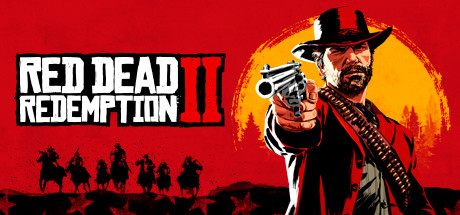
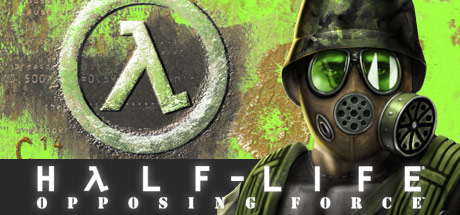
Games like Red Dead Redemption 2, Deathmatch Classic, and Half-Life: Opposing Force channel this aesthetic not through jump scares, but through visceral disintegration: ragdolls that slump too realistically, mutated enemies whose anatomy defies biology, and environments soaked in gore and existential rot. They weaponize zombies, yes—but not as shambling tropes. Here, they’re symptoms: walking manifestations of systemic collapse, scientific hubris, or forgotten sins—each wound a testament to deeper psychological horror.
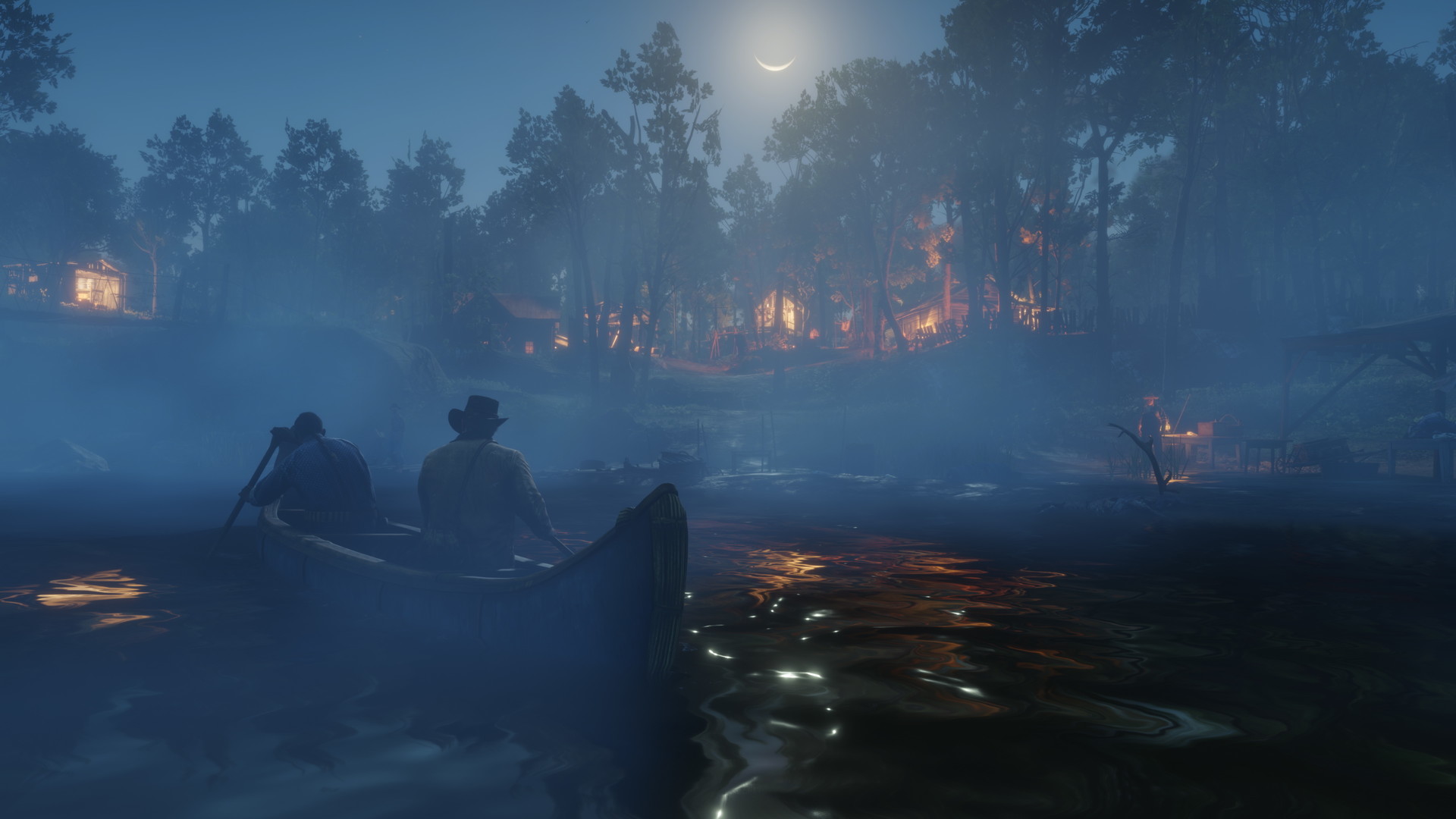
Red Dead Redemption 2
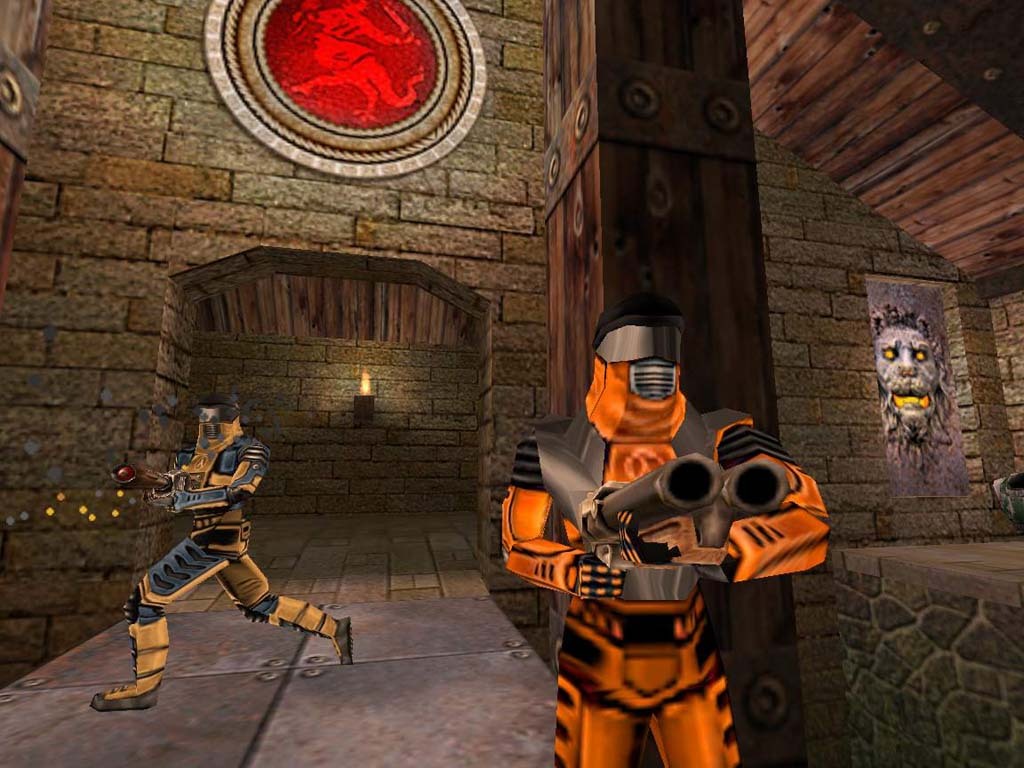
Deathmatch Classic
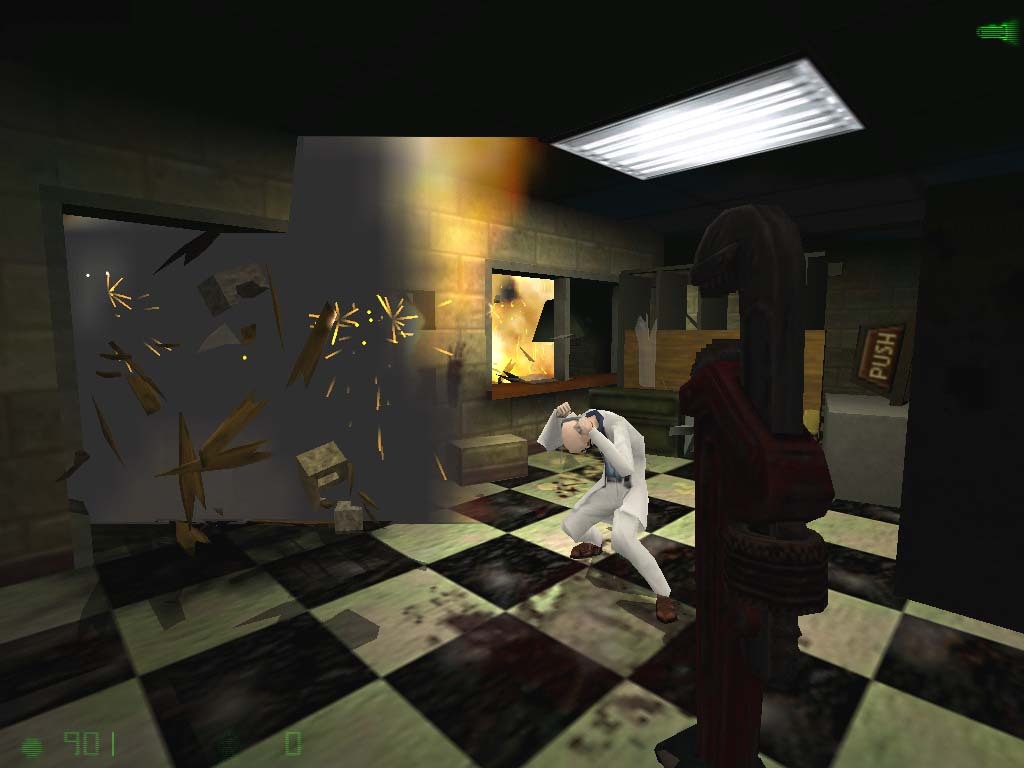
Half-Life: Opposing Force
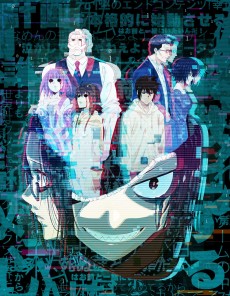
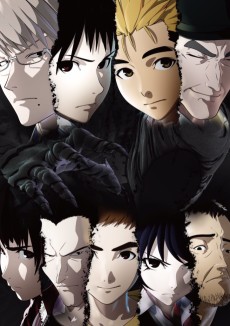
Anime like Akira, GOOD NIGHT WORLD, and AJIN: Demi-Human lean into the metaphysical weight of physical change: bodies rewriting themselves against will, identities dissolving mid-transformation, and reality fraying at the edges of perception. Akira’s psychic explosions warp bone and ego alike; GOOD NIGHT WORLD weaves Ghost logic into digital lullabies; AJIN: Demi-Human makes immortality feel like a curse—raw, painful, and grotesquely biological. All three are steeped in horror, yes—but it’s the kind that lives in your spine long after the screen fades.

Akira
GOOD NIGHT WORLD
If you crave stories where the self is unstable, sacred, and terrifyingly mutable, dive in. Start with Half-Life: Opposing Force for its oppressive, biomechanical dread—and AJIN: Demi-Human for its unflinching study of what happens when flesh remembers pain it shouldn’t survive. Because here, Body Horror, Curses, zombies, gore, psychological horror, Youkai, Ghost, and horror aren’t genres—they’re textures of truth.